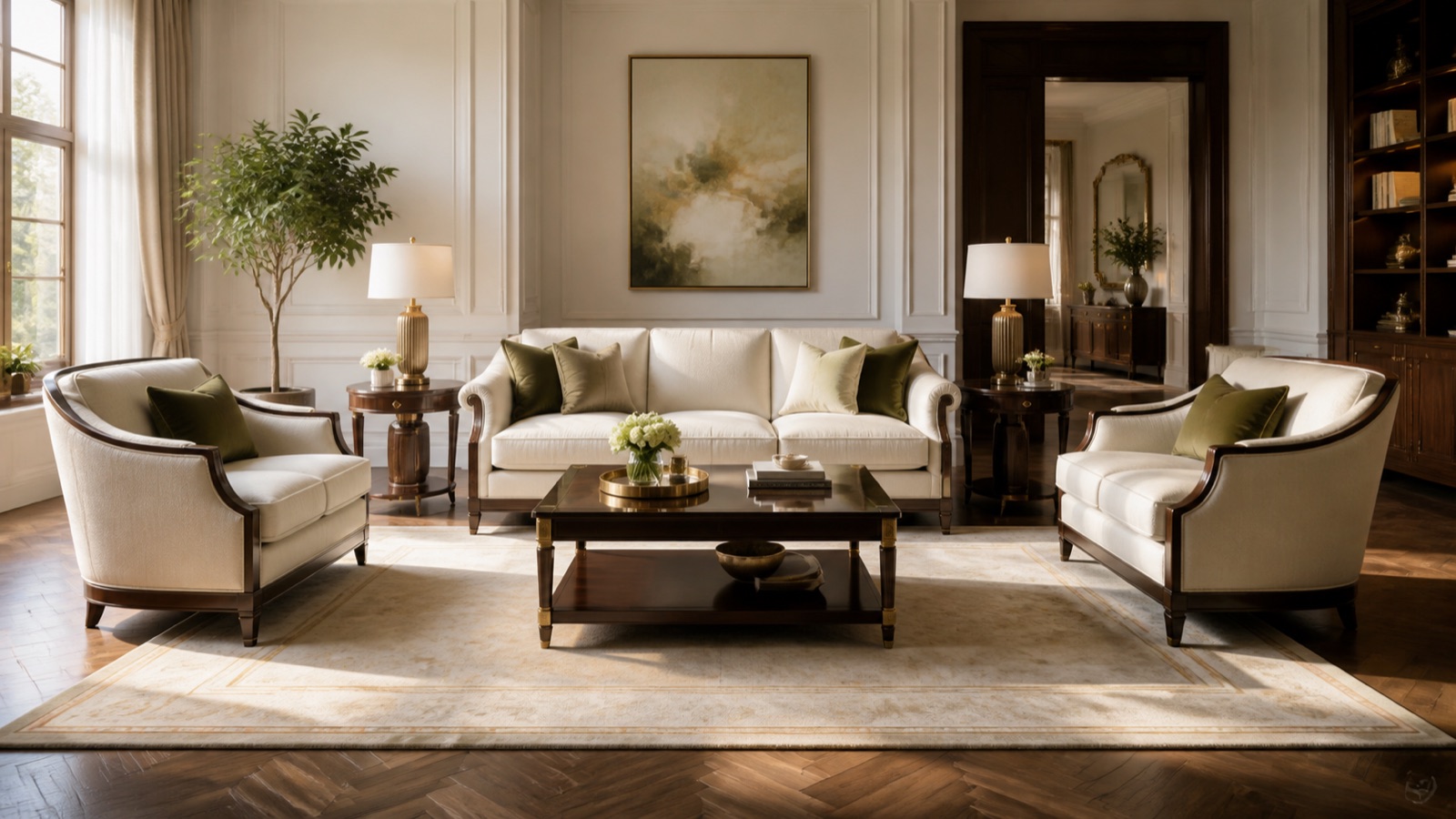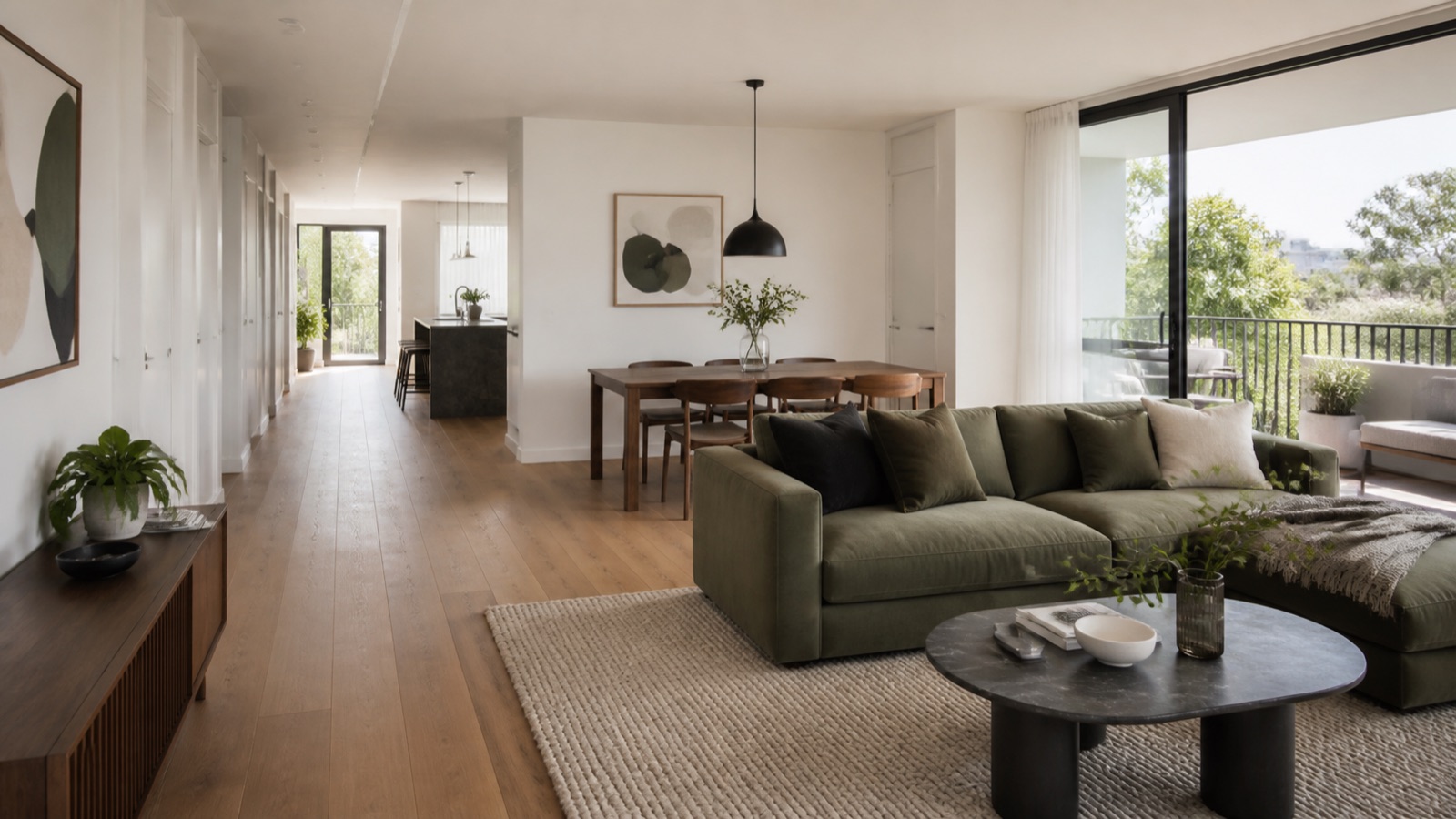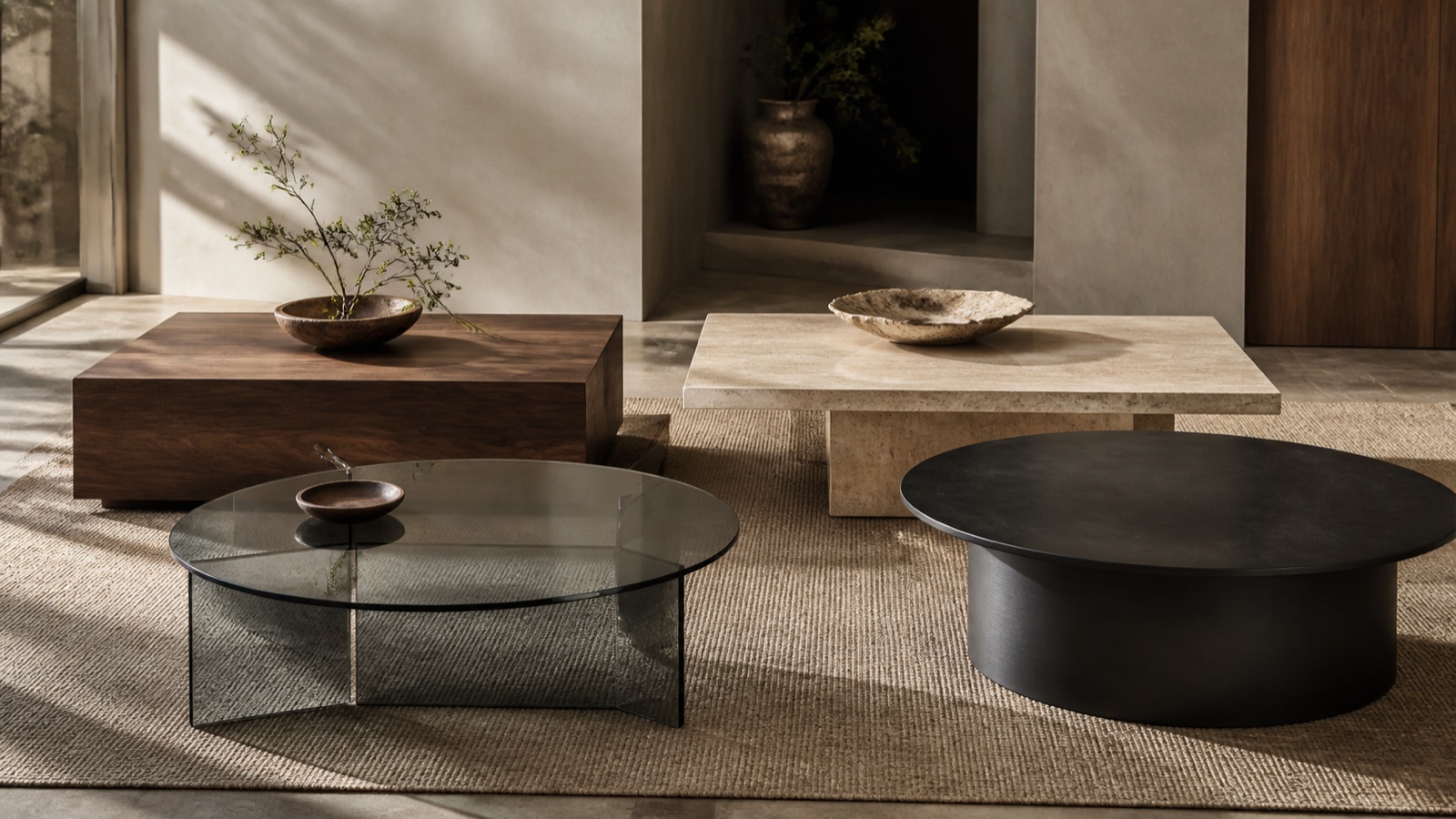
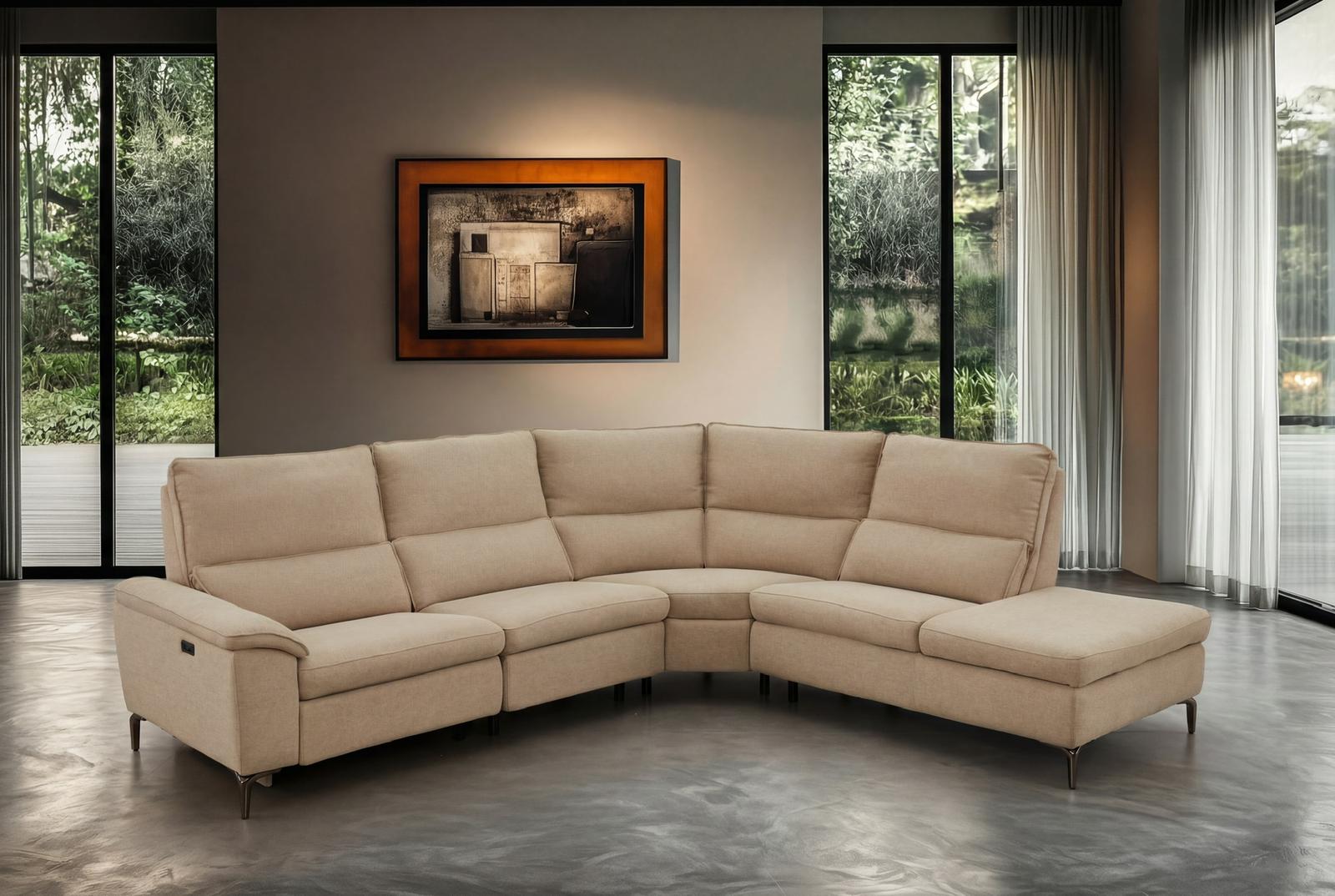
Choose a sofa that fits your room and daily life with this practical guide to measurements, layouts, seat comfort, upholstery, recliners, delivery and showroom testing.
Measure the usable floor area and delivery path, decide how the household actually sits, compare the full configuration and moving parts, test seat depth and support, then choose upholstery and features. A sofa is successful when it leaves clear circulation and feels good during the longest type of sitting you do—not when it merely fits wall to wall.
Start with the way your household uses the room
Before looking at colours, list the room’s regular jobs. Is it mainly for television, conversation, reading, entertaining, children, pets or overnight guests? Do people prefer to sit upright, stretch out on a chaise or recline independently? The answers decide whether you need a compact sofa, a chaise sectional, a modular arrangement or powered reclining seats.
Count regular users, not the maximum number of people you host once a year. Extra occasional seating can come from an armchair, ottoman or dining chair. Buying an oversized sofa for rare events can make everyday movement awkward. If you are inspired by the more generous silhouettes in our 2026 furniture trends guide, use them as a direction, then make the footprint earn its place.
Measure the sofa zone, not just the wall
Record the wall length, available width and the depth of the room from the sofa wall to the opposite furniture. Then mark the proposed sofa outline with painter’s tape or newspaper. Include the chaise, corner, arms and any recliner extension. Walk the main route through the room while the outline is in place. If you naturally step into the taped zone, the configuration is too deep or positioned incorrectly.
Leave space for curtains, floor vents, power outlets, doors and drawers. In an open-plan home, preserve a clear visual and walking line between zones. A sectional can define the living area, but the back should not create an obstacle between the kitchen, dining table and outside access. Photograph your measurements so they are available when you visit a showroom.
| Check | What to measure | Why it matters |
|---|---|---|
| Full configuration | Total width and deepest point, including chaise | Prevents a modular sofa from overwhelming the usable floor |
| Moving parts | Recliner extension, headrest movement and console access | Ensures every feature can operate without hitting a table or wall |
| Circulation | Main walking paths around and behind the sofa | Protects comfortable movement through the room |
| Sightlines | Television height, windows and adjacent zones | Avoids neck strain and blocked light |
Measure the delivery path before falling in love
A sofa can fit the room and still fail at the front door. Measure the narrowest doorway, hall width, stair turns, lift opening and lift depth. Note removable doors, handrails and tight corners. For apartments, confirm loading-bay rules, lift bookings and permitted delivery times before the delivery date.
Modular pieces often make access easier because the configuration arrives in separate sections, but each module still has its own largest dimension. Ask whether feet, backs or arms detach and whether the delivery service includes placement and assembly. Share access photos if the route is unusual; a clear conversation early is far easier than solving a blocked staircase on arrival.
The critical point is often a turn immediately inside the door, a low stair landing or the diagonal depth of a lift. Measure the full route from truck access to final position.
Choose the sofa layout that solves the room
A straight sofa keeps a smaller room visually open and is easy to pair with an armchair. A chaise gives one person full leg support without the mechanical depth of a recliner. An L-shaped sectional creates a strong family zone and can separate an open plan. Modular designs add flexibility when you expect the layout or household to change.
Recliners need special attention to wall clearance and the position of a coffee table. A zero-wall or wall-hugger design can reduce wasted space behind the sofa, while powered headrests may allow a lower visual profile when not in use. Do not assume every seat in a large configuration offers the same function; check which modules recline, store items or contain power.
Compare three ways to build a comfort zone
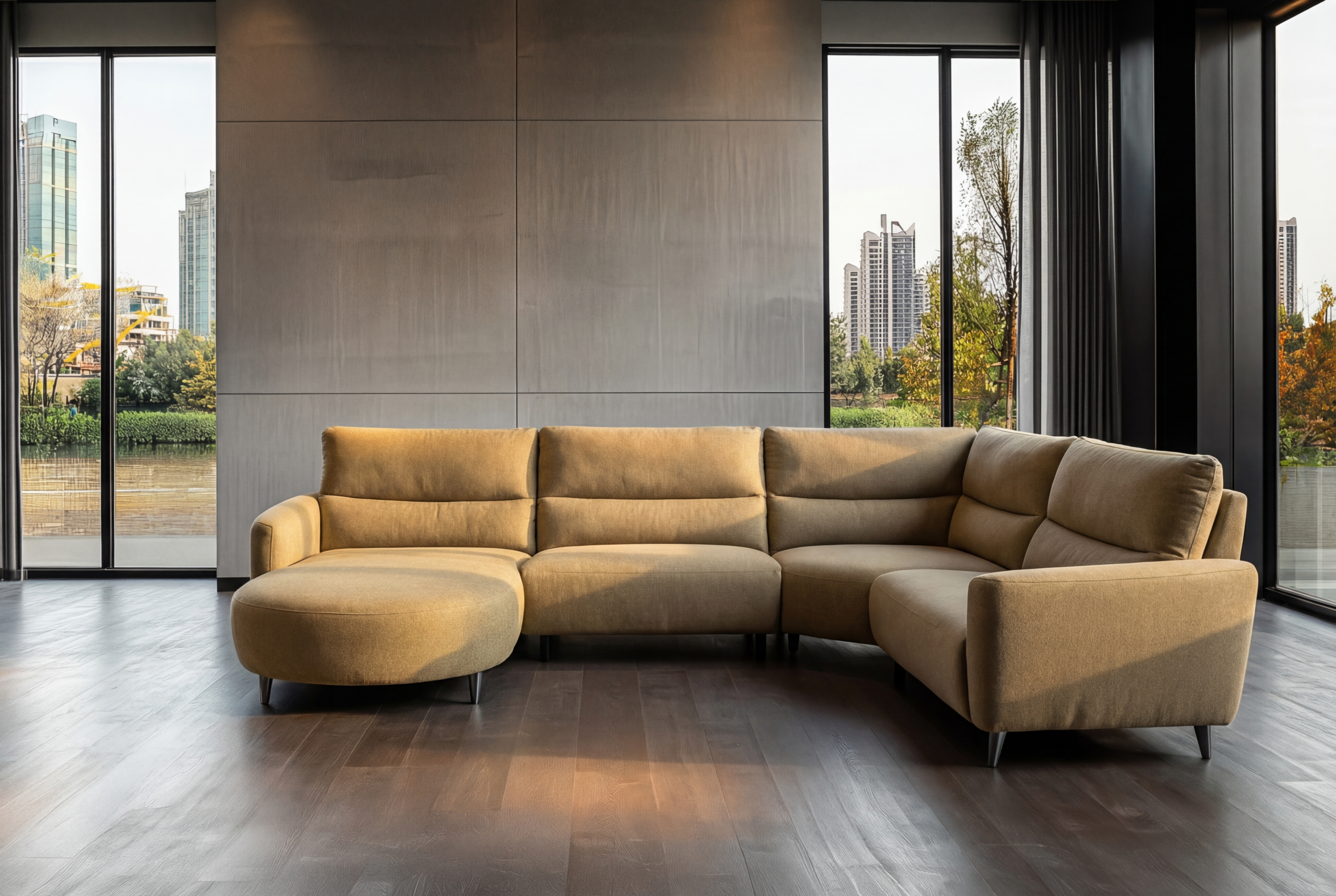
Melisa combines chaise lounging and a powered seat, Veronica focuses on modular zero-wall reclining and storage, and Mana adds a more feature-rich sectional experience. Compare live specifications rather than judging by the front photograph alone.

Test seat depth, height and support properly
Sit for more than a few seconds. Your feet should feel supported in your usual position, the seat edge should not press sharply behind the knees and the back should meet you where you naturally relax. A deep seat suits lounging and taller users but may require cushions for a smaller person who prefers upright support. A higher, firmer seat can make standing easier.
Try the corner, chaise and powered seats separately. Recline fully, return upright and adjust the headrest while listening for smooth operation. Sit beside another person to see whether movement transfers. If the sofa will be used for conversation, check that the depth does not force everyone into a reclined posture. Comfort is personal, which is why showroom testing has more value than a generic “soft” or “firm” label.
Choose upholstery for touch, light and maintenance
Colour is only one part of upholstery. Feel the weave, inspect how it changes under daylight and ask how the fabric should be cleaned. Textured neutrals can hide minor variation and add depth, while smoother fabrics create a more tailored look. Households with pets or children should ask about snag resistance, removable components and the recommended response to spills.
Consider sun exposure. Strong direct light can affect many upholstery materials over time, so use blinds or reposition the sofa if the room receives intense afternoon sun. Vacuum gently with an upholstery tool and deal with spills by blotting rather than rubbing. Always follow the care guidance for the exact material instead of applying a general internet cleaner to an unseen area.
Decide which sofa features are worth paying for
Powered reclining is valuable when it improves a routine, not simply because it is available. Adjustable headrests can support different viewing positions. Storage consoles can reduce side-table clutter. Charging is useful when the nearest wall outlet is inconvenient. Heating, sound systems and chilled storage suit dedicated entertainment rooms and households that genuinely use the space that way.
Ask what happens when power is disconnected, where transformers and cables sit, which electrical parts have separate warranty periods and whether the modules can be serviced individually. A simpler sofa may be the better investment for a formal room, while a technology-rich design can make sense in the most-used living zone. Compare each function against the time you spend in that room, not the number of features on the label.
Your final sofa buying checklist
Take one final pass before paying a deposit or checking out. Confirm the exact configuration, orientation and upholstery shown on the order. Save the product page or specification and make sure the room and access measurements are attached to your decision. Check current stock, expected delivery, assembly, warranty and cancellation terms.
- Full sofa width, depth and height fit the taped floor plan.
- Chaise side and module order match the room orientation.
- Recliners, drawers, consoles and headrests have operating clearance.
- Every regular user has tested a relevant seat where possible.
- Upholstery care is realistic for children, pets, sunlight and daily use.
- Doorways, halls, stairs, lifts and loading access are confirmed.
- Current stock, delivery, assembly and warranty details are understood.
Frequently asked questions
How do I know what size sofa to buy?
Tape the complete sofa footprint on the floor, including the chaise and recliner extension, then walk the room normally. The right size leaves clear paths, does not block doors or drawers and keeps a balanced distance from the television and coffee table.
Is a modular sofa good for a small living room?
It can be, provided you choose only the modules the room needs. Separate delivery pieces and a zero-wall recliner can help, but always compare the total assembled depth and width with a simpler straight sofa.
Should a sofa be firm or soft?
Choose support for your sitting style and mobility. Deep soft seats favour lounging; firmer and slightly higher seats often support upright sitting and easier standing. Test the actual sofa because labels are subjective.
What should I measure for sofa delivery?
Measure the narrowest door, hall, stair turn, lift opening and lift interior, plus any low ceilings or fixed rails. Confirm the dimensions of the largest individual sofa module and whether feet or backs detach.
Sources and further reading
This guide combines Queen Style showroom experience with the following current and practical references:
- KING: dining and sofa buying advice from an Australian furniture specialist
- Temple & Webster: current modular sofa directions for 2026
Compare sofa scale, seat support, upholstery and powered features in person at 267 Settlement Rd, Thomastown. The showroom is open seven days from 10am to 5pm.
Shop sofas