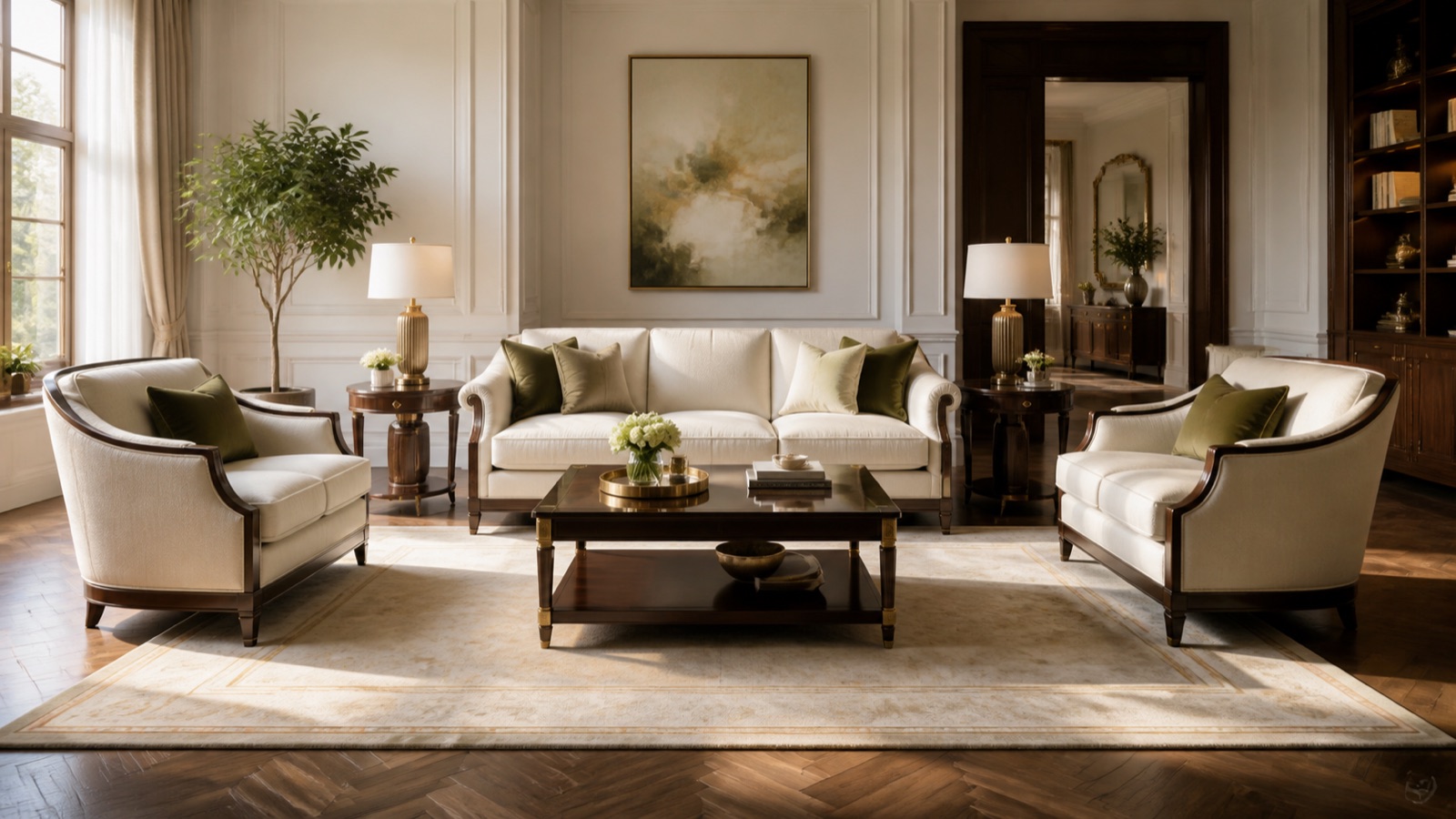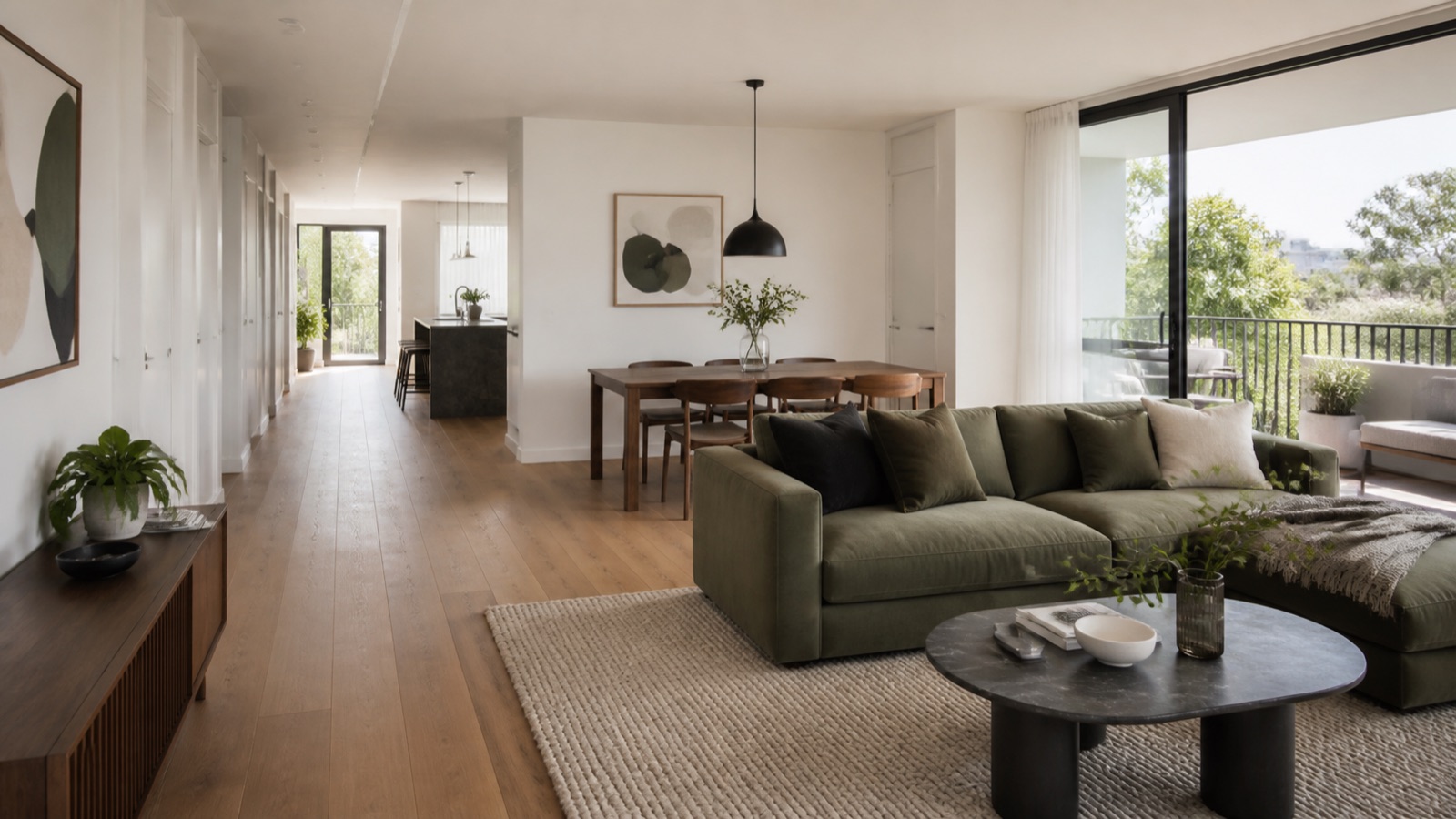

Make a small living room feel generous with furniture ideas for measured sofas, zero-wall recliners, nesting tables, mirrors, vertical styling, circulation and hidden storage.
Protect one clear walking route, choose a sofa that supports the main routine, use round or nesting tables where flexibility matters, add concealed storage, and keep tall or reflective elements near the perimeter. Furniture can still be sculptural; control its footprint, base projection and visual weight rather than removing all personality.
Map the non-negotiable walking route first
Draw or tape the route from the entry to the most-used destination: balcony, hallway, kitchen or bedroom. Keep that line free before allocating the sofa or table. A room feels cramped when people must turn sideways around corners or walk through the television zone, even if the furniture technically fits within the walls.
Mark door swings, heating vents, curtains and the full opening of nearby storage. In an apartment, account for a balcony door that may be wider than the everyday gap. Once the route is protected, the remaining zone gives you an honest maximum footprint. This prevents the common mistake of buying a sofa for wall length and discovering there is no comfortable path past its arm.
Choose the right-size sofa, not automatically the smallest sofa
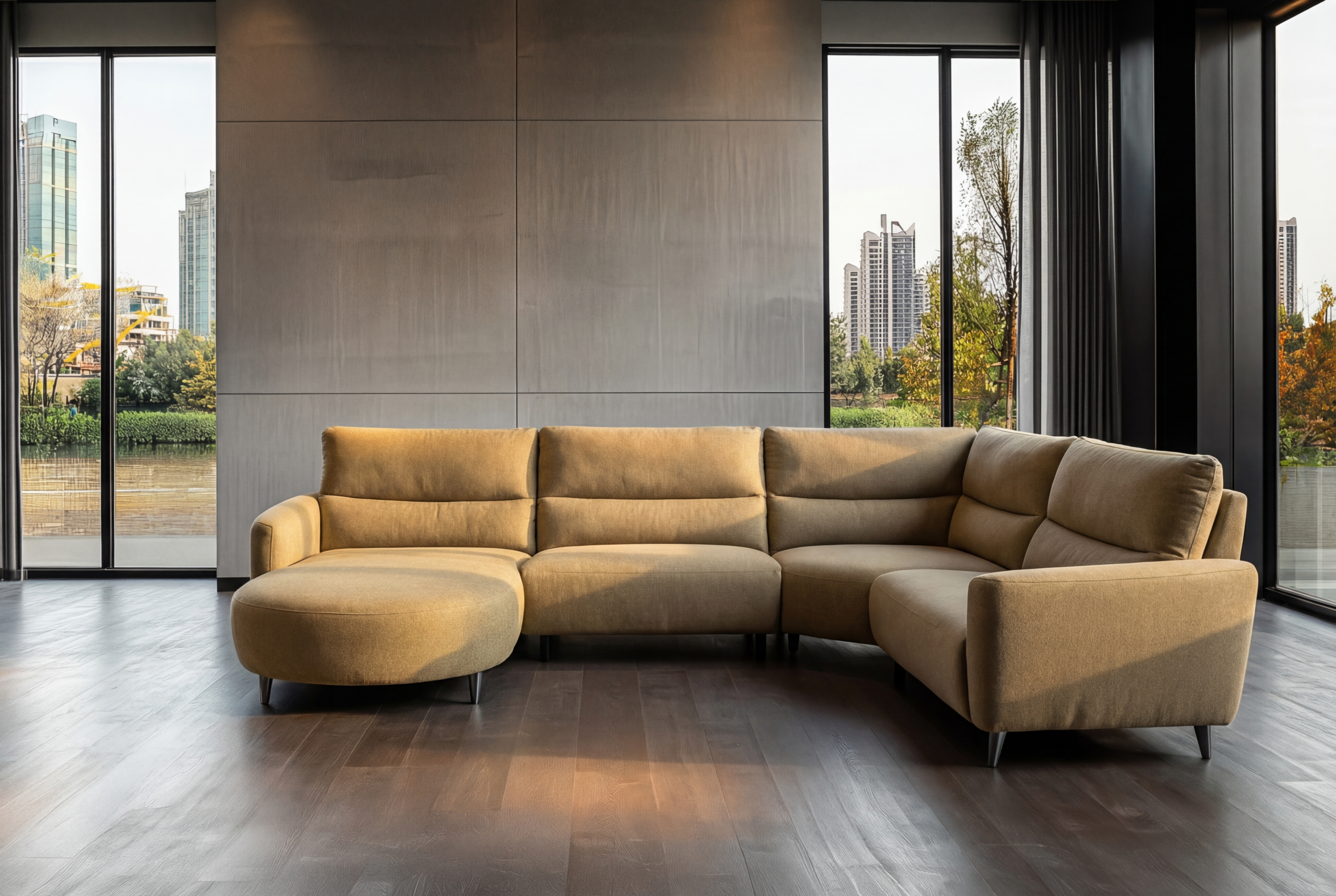
One well-proportioned sofa can be more efficient than a tiny sofa plus several occasional chairs. Count regular users and decide whether a chaise, straight sofa or compact modular arrangement best supports them. Use our sofa buying guide to tape the complete configuration and test natural movement before ordering.
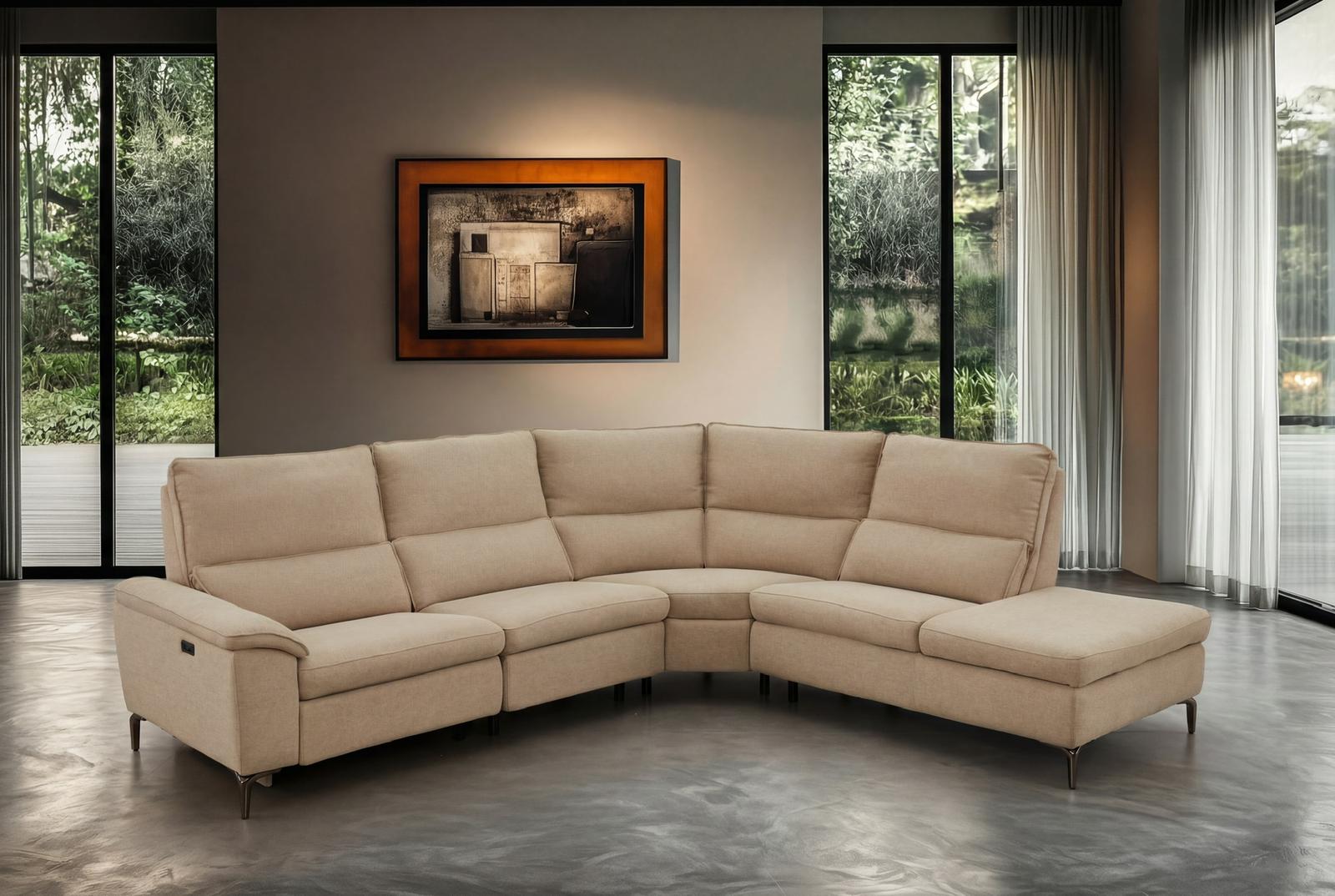
Look for slim or raised arms, a visually open base and features that replace other furniture. A chaise can remove the need for an ottoman. A storage console can contain remotes and cables. A zero-wall recliner may provide leg support without leaving a large permanent gap behind the sofa. Always compare the total assembled depth and recliner extension.
Compare compact-room seating strategies
Veronica brings zero-wall reclining and storage, Melisa combines chaise lounging with modular seating, and Cuba can create a separate reading position without extending the full sofa.

Use flexible tables instead of one oversized centrepiece
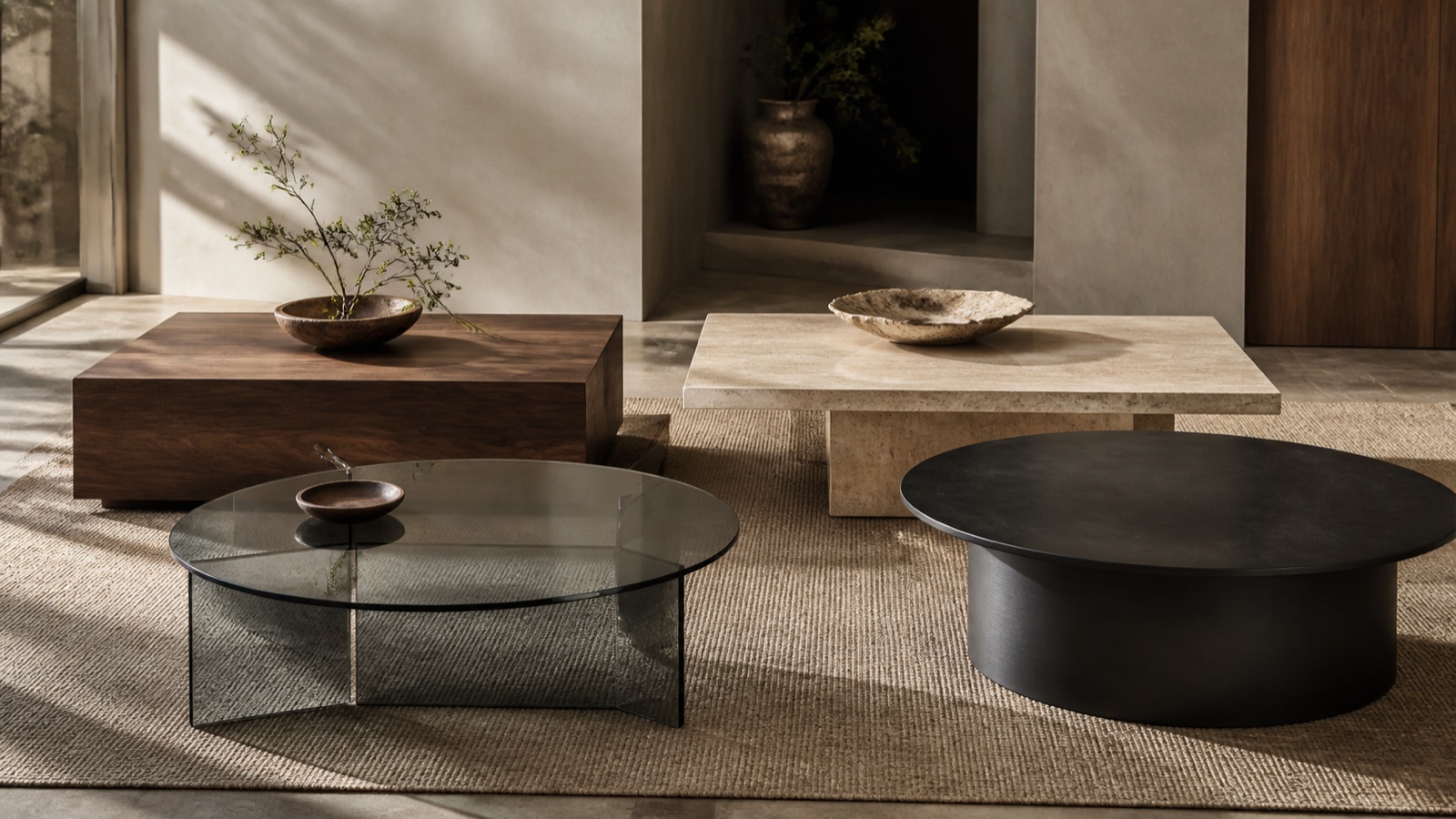
Nesting tables can remain compact during normal use and separate when guests need another surface. Round or oval tops soften the main path and can be approached from more angles. A small occasional table beside the sofa may remove the need to reach across a large central table. Choose the arrangement according to regular use, then confirm every piece remains stable when separated.
If you prefer a statement table, let it be the one sculptural object and leave open space around it. Our coffee-table size guide explains height, reach and sectional layouts in detail. In a small room, the empty floor around a dramatic piece is part of the design—it prevents visual weight from becoming actual congestion.
Flexible and sculptural table options
A nesting set offers adaptable surface area, while a small sculptural table can serve one seat and a softer rounded statement can anchor the room without sharp corners.


Control visual weight with legs, colour and negative space
Furniture that shows some floor beneath it often feels lighter, although a low grounded form can still work if the rest of the room is open. Pale upholstery reflects light; darker edges define form. Avoid matching every piece in one heavy finish. Mix a substantial anchor with slimmer supporting pieces and leave a visible gap between them.
Use one or two larger objects instead of many small ones. Clusters of side tables, baskets and decorative stands can create more edge conflicts than a single measured table. Keep the main sightline from the entrance relatively open and position the tallest furniture against a perimeter wall rather than in the middle of the room.
Place mirrors to borrow light, not to multiply clutter
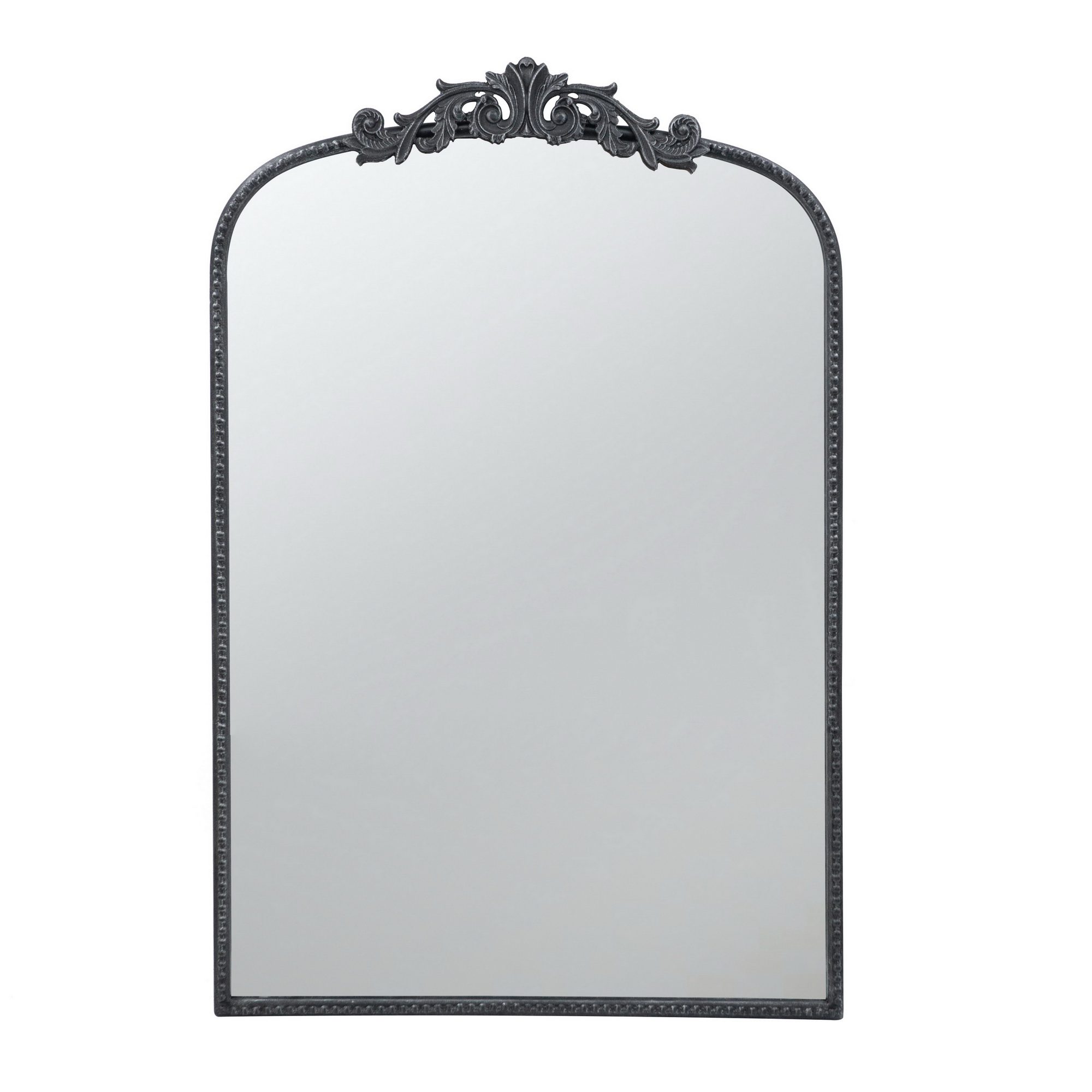
A mirror can reflect a window, artwork or attractive furniture and make the room feel deeper. Position it where the reflection is intentional. A large mirror opposite a crowded storage area simply repeats the busiest view. Arched shapes can introduce height and soften a room dominated by rectangular doors, television screens and windows.
Secure wall mirrors with fixings appropriate to their weight and wall construction. Do not rest a heavy mirror in a traffic route unless it is designed and restrained for that use. Check glare from direct sun and television viewing positions. A dark frame can create a useful outline in a pale room without adding another bulky cabinet.
Add depth and a controlled natural layer
A tall arched mirror adds vertical emphasis, while a fern spray or single magnolia stem can bring shape without the floor area of another piece of furniture.


Use hidden storage where clutter actually begins
Identify the items left in the room at the end of each day: remotes, chargers, throws, children’s toys or magazines. Storage near that point of use is more effective than a distant cupboard. Sofa consoles, lidded ottomans and small closed cabinets can help, but each new storage piece also consumes floor area. Prefer integrated storage when it replaces a separate item.
Edit before buying storage. A smaller collection of useful objects needs less furniture and is easier to maintain. Use trays for small items on a coffee table and baskets only where they can tuck completely beneath or beside a surface. Avoid filling the walkway with containers that must be shifted to vacuum or open a door.
Move decoration upward and keep the floor calm
Wall art, mirrors and one tall botanical draw the eye upward without reducing chair clearance. Keep the lower furniture line relatively consistent so the room does not feel jagged. A tall object works best near a corner or solid wall where it will not interrupt a window, doorway or conversation sightline.
Artificial greenery is practical in low-light positions, but choose a realistic scale and leave space around the leaves. One olive tree or a controlled branch arrangement has more presence than many small pots. Secure tall planters in homes with children or pets and keep foliage clear of heaters and moving doors.
Small living room checklist
- One main walking route remains clear with every moving part in use.
- The sofa serves regular users without being sized for rare gatherings.
- Coffee tables are reachable and can adapt or move safely when needed.
- Integrated storage replaces, rather than adds to, unnecessary furniture.
- Mirrors reflect light or a deliberate focal point instead of clutter.
- Tall styling uses the perimeter and leaves the centre visually calm.
- Delivery access for the largest module, mirror or table is confirmed.
Frequently asked questions
Should all furniture be small in a small living room?
No. One well-measured sofa or statement table can make the room feel more intentional than many undersized pieces. Protect circulation and control the number, depth and visual weight of supporting items.
What sofa is best for a small living room?
The best design fits regular users and the taped footprint. Straight sofas keep layouts simple; compact modular or zero-wall recliner designs can add function when their total depth and movement are carefully checked.
Do mirrors really make a small room look bigger?
They can add perceived depth and borrow light when positioned to reflect a window or calm view. A mirror that reflects clutter or glare can have the opposite effect.
Are nesting tables good for small spaces?
Yes, when the pieces are stable separately and can return to one compact composition. They provide extra surfaces for guests without permanently filling the centre of the room.
Sources and further reading
This guide combines Queen Style showroom experience with the following current and practical references:
- Temple & Webster: how to set up a small dining and living zone
- Real Homes: arranging furniture in a small room
Our Thomastown showroom team can help compare the total footprint and visual weight of sofas, tables, chairs and mirrors. Include doors, windows and the main walking route.
Shop living furniture