Compare contemporary and classic furniture through shape, materials, colour, detail and room planning, then learn how to mix both styles confidently.
Contemporary and classic furniture are not rigid labels. They are useful design languages: contemporary rooms favour edited shapes, open visual space and current materials, while classic rooms draw on symmetry, crafted detail and familiar proportions. Many memorable homes combine the two.
The aim is not to make every piece match. It is to choose a clear visual hierarchy so the sofa, dining table or bed leads the room and the supporting pieces repeat its colour, line or finish.
Quick answer: Choose contemporary furniture for cleaner silhouettes, lighter visual weight and an edited palette. Choose classic furniture for symmetry, ornament and a more formal presence. To mix them, nominate one style as the base and repeat two or three connecting elements across the room.
Read the silhouette first
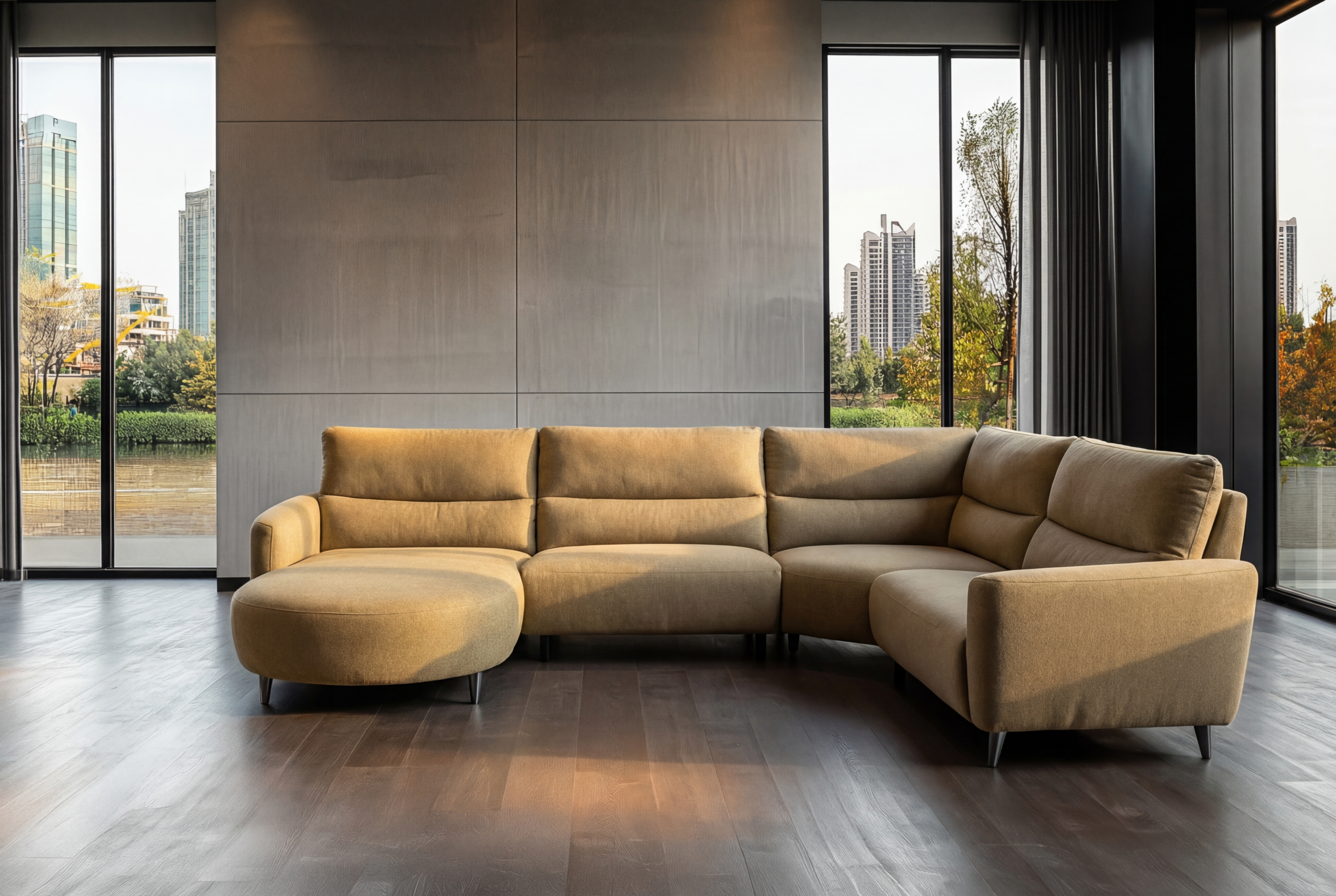
Contemporary furniture often uses low profiles, broad simple planes, curved forms or modular construction. Classic pieces are more likely to show rolled arms, carved frames, buttoning, turned legs or a formal sense of symmetry. Look at the outline from across the room before focusing on fabric or colour.
A strong silhouette can carry the scheme. Browse the sofa collection and compare how a tailored modular design changes the room differently from a coordinated, ornate sofa set.
Use materials to create continuity
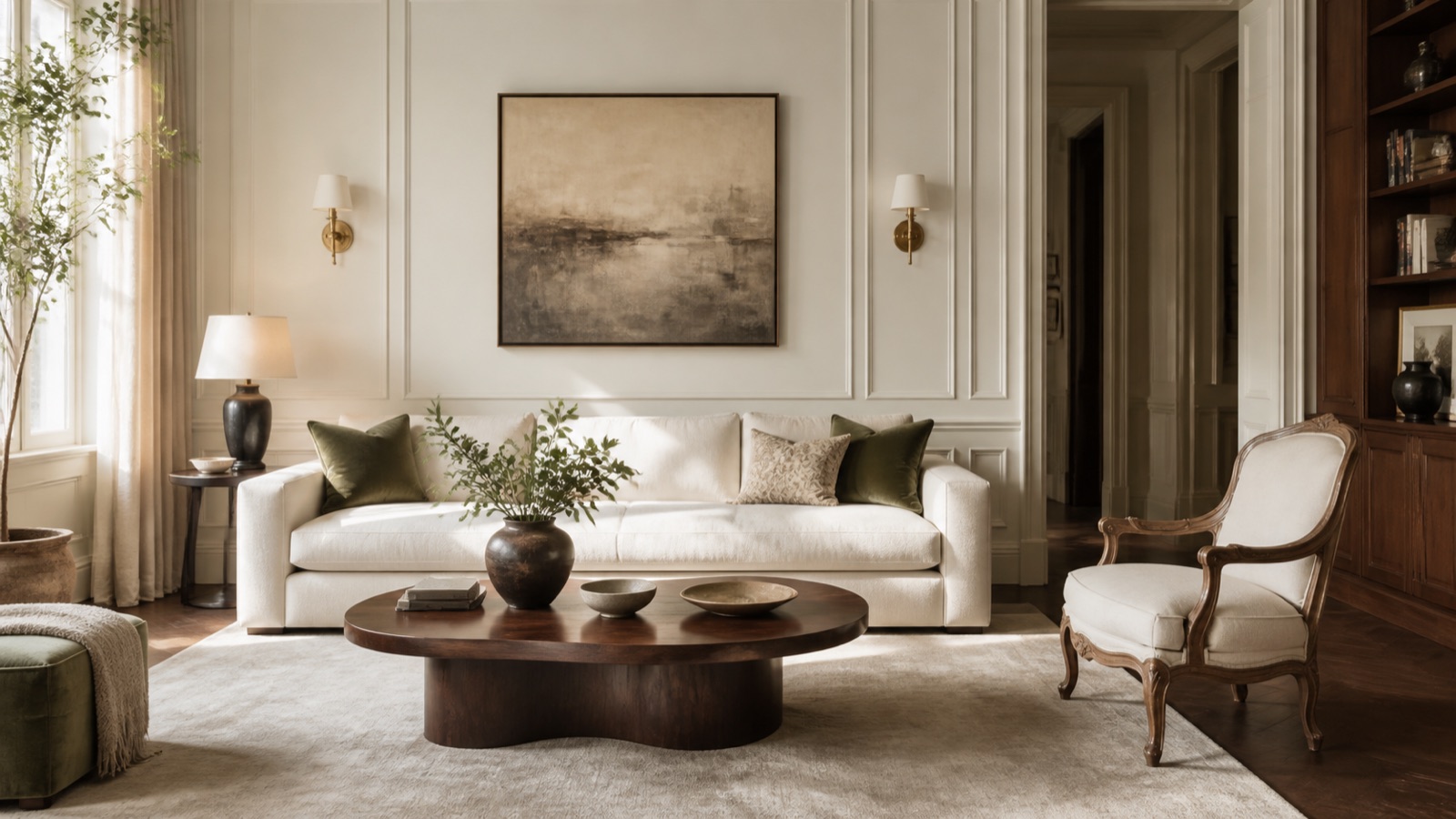
A mixed room feels intentional when materials recur. A contemporary glass or stone-look table can sit near a classic upholstered chair if the metal finish, timber tone or colour appears elsewhere. Repetition matters more than perfect matching.
Limit prominent finishes before adding accessories. For example, use one warm metal, one main timber tone and one upholstered colour family. Small variations create depth; unrelated finishes on every piece create noise.
Decide where detail belongs
If the main seating is ornate, let the coffee table and lighting use simpler geometry. If the sofa is restrained, a sculptural armchair, framed mirror or decorative object can supply the character. This “one lead, several supporting roles” method prevents a showroom-like set from overwhelming the architecture.
Classic detail also needs breathing room. Carving, tufting, reflective finishes and patterned textiles read more clearly when the floor plan is not crowded. Contemporary simplicity can provide that negative space.
Build a palette, not a theme
Start with the fixed surfaces: floor, walls, joinery and large windows. Select a base neutral that works with them, then add one dominant furniture colour and one accent. Classic rooms need not be dark, and contemporary rooms need not be beige.
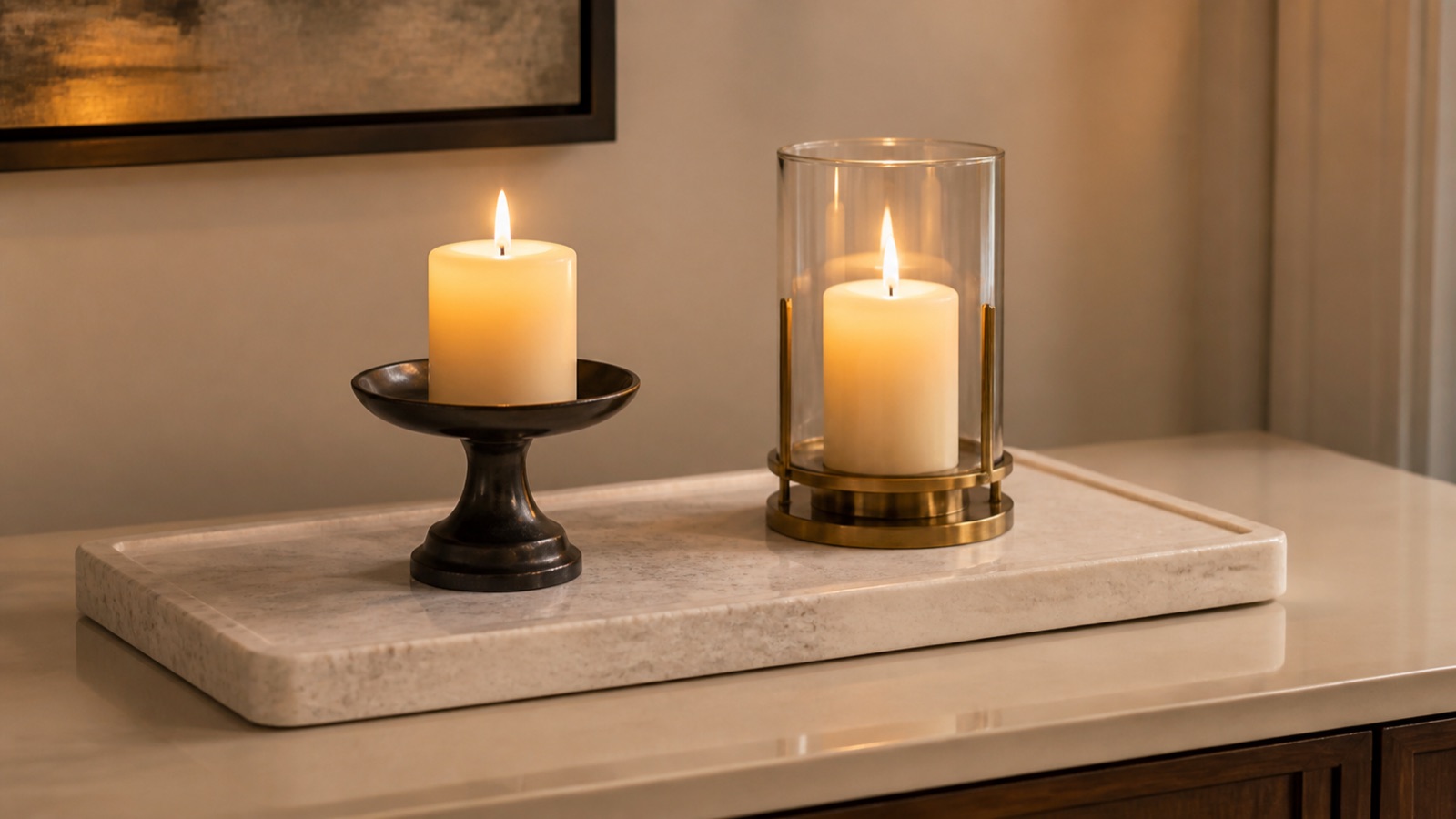
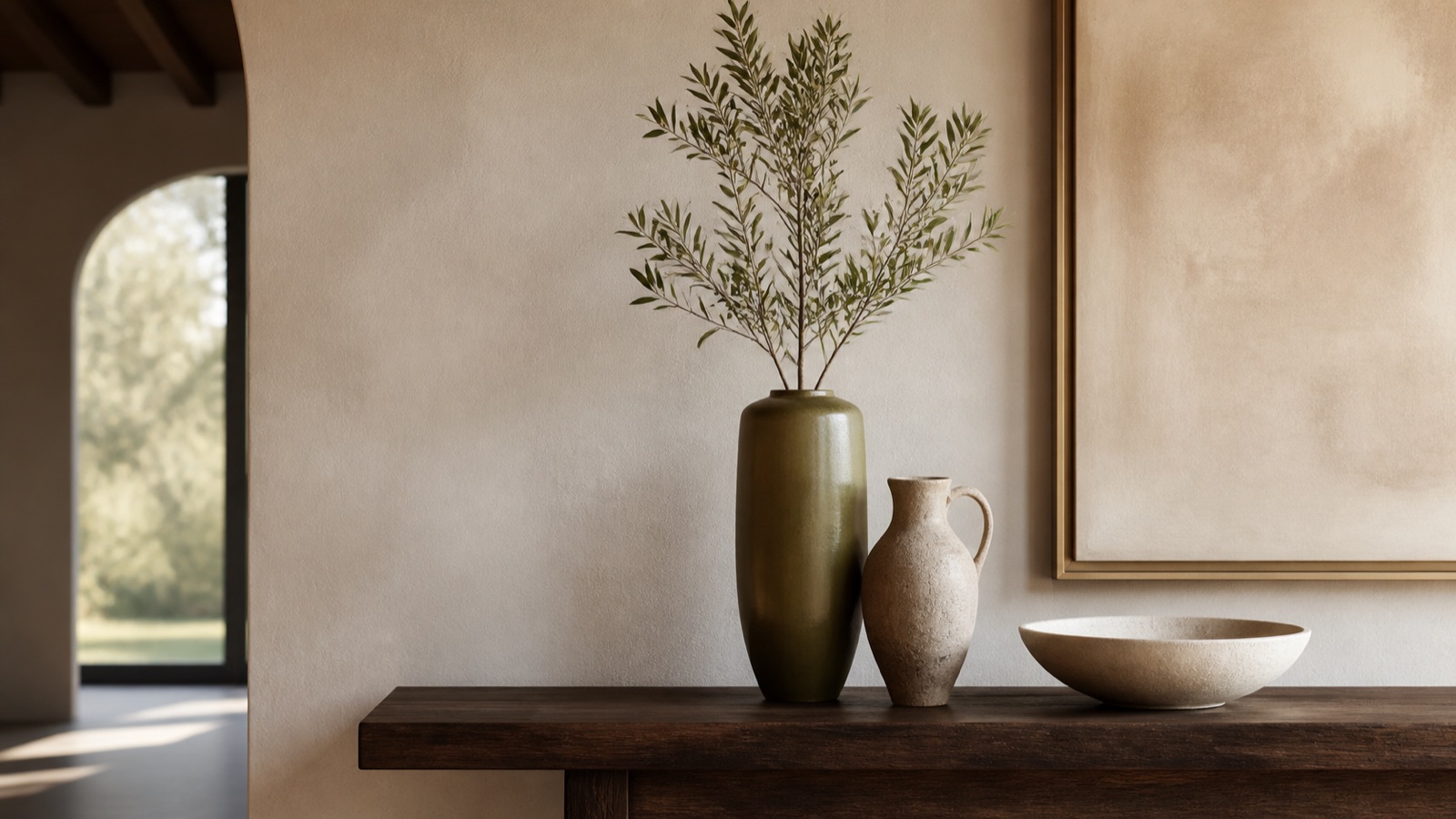
Use homewares to test an accent before repeating it in larger pieces. A vase, cushion, artwork or candle holder can connect old and new shapes without a costly commitment.
Test the scheme in real light
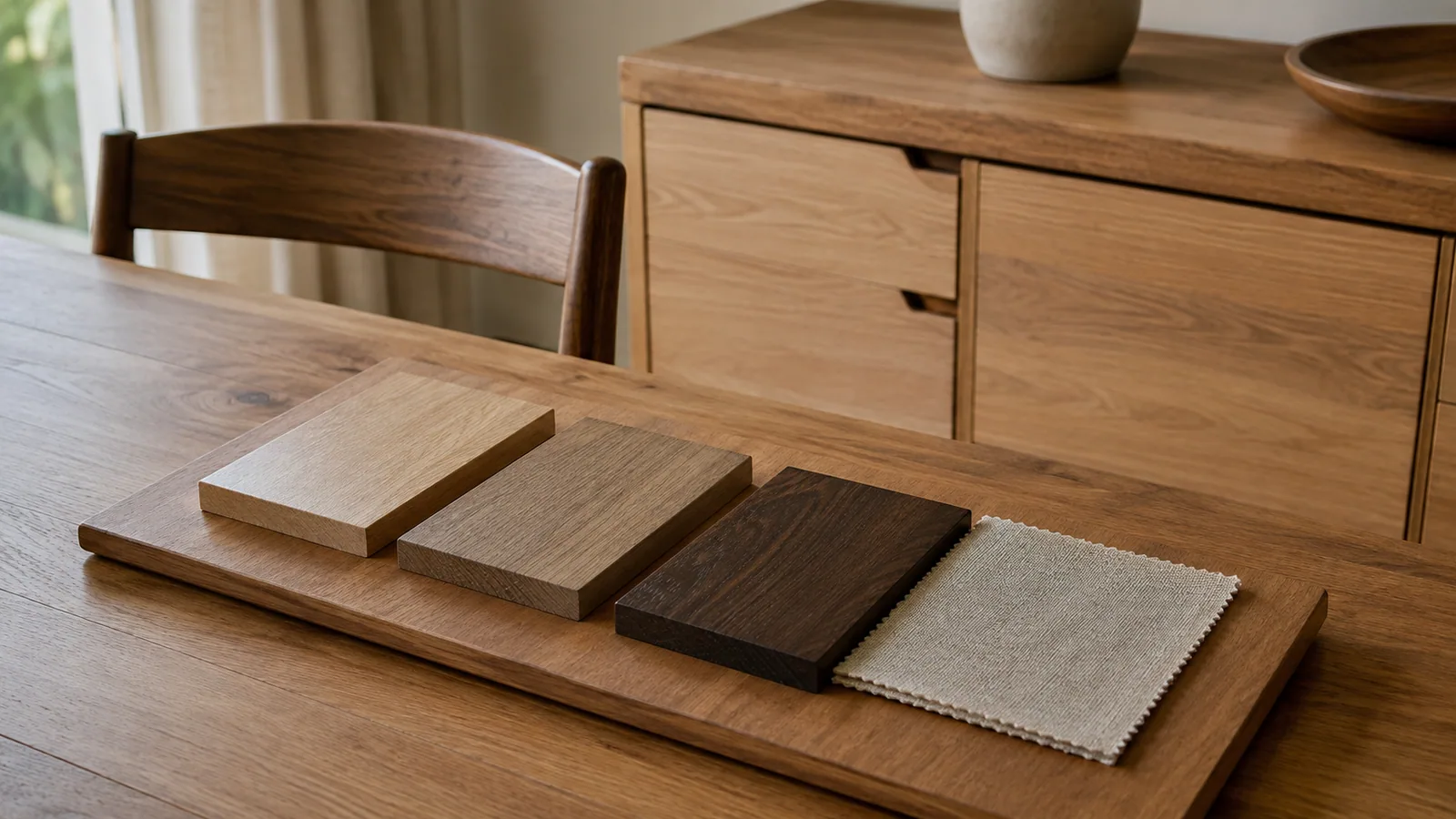
Screens flatten texture and can shift colour. View upholstery, timber, stone-look surfaces and reflective finishes in person where possible. Photograph samples in daylight and evening light, then compare them beside the room’s existing finishes.
Take a wide room photo and a simple dimensioned plan to the showroom. Scale is part of style: an elegant piece that is too large can feel heavy, while a small detailed piece may disappear in an open-plan zone.
Before you buy: practical checklist
- Choose the room’s leading style and focal piece.
- Limit the main palette to a base, dominant colour and accent.
- Repeat a metal finish, timber tone or curve at least twice.
- Balance ornate pieces with quieter supporting shapes.
- Check the full floor plan and delivery route before buying.
- View important colours and textures in real light.
Products to compare
Use these live product pages to compare current dimensions, materials and features with the guidance above. Confirm stock, finish and delivery details before ordering.


Frequently asked questions
Can contemporary and classic furniture work in one room?
Yes. Use one as the dominant language, then connect the contrast through repeated colour, material, scale or shape. Avoid splitting the room into unrelated halves.
Is classic furniture the same as traditional furniture?
The terms overlap, but classic is broader. It can describe balanced proportions and enduring details without reproducing a single historical period.
How many statement pieces should a room have?
Usually one primary focal piece is enough, with one or two quieter accents. In a very large room, separate functional zones can each have a focal point if the palette stays connected.
See the options in person
Explore Queen Style furniture and homewares online or compare silhouettes and finishes at 267 Settlement Rd, Thomastown. Bring photos, key dimensions and samples of any finishes that must remain in the room.